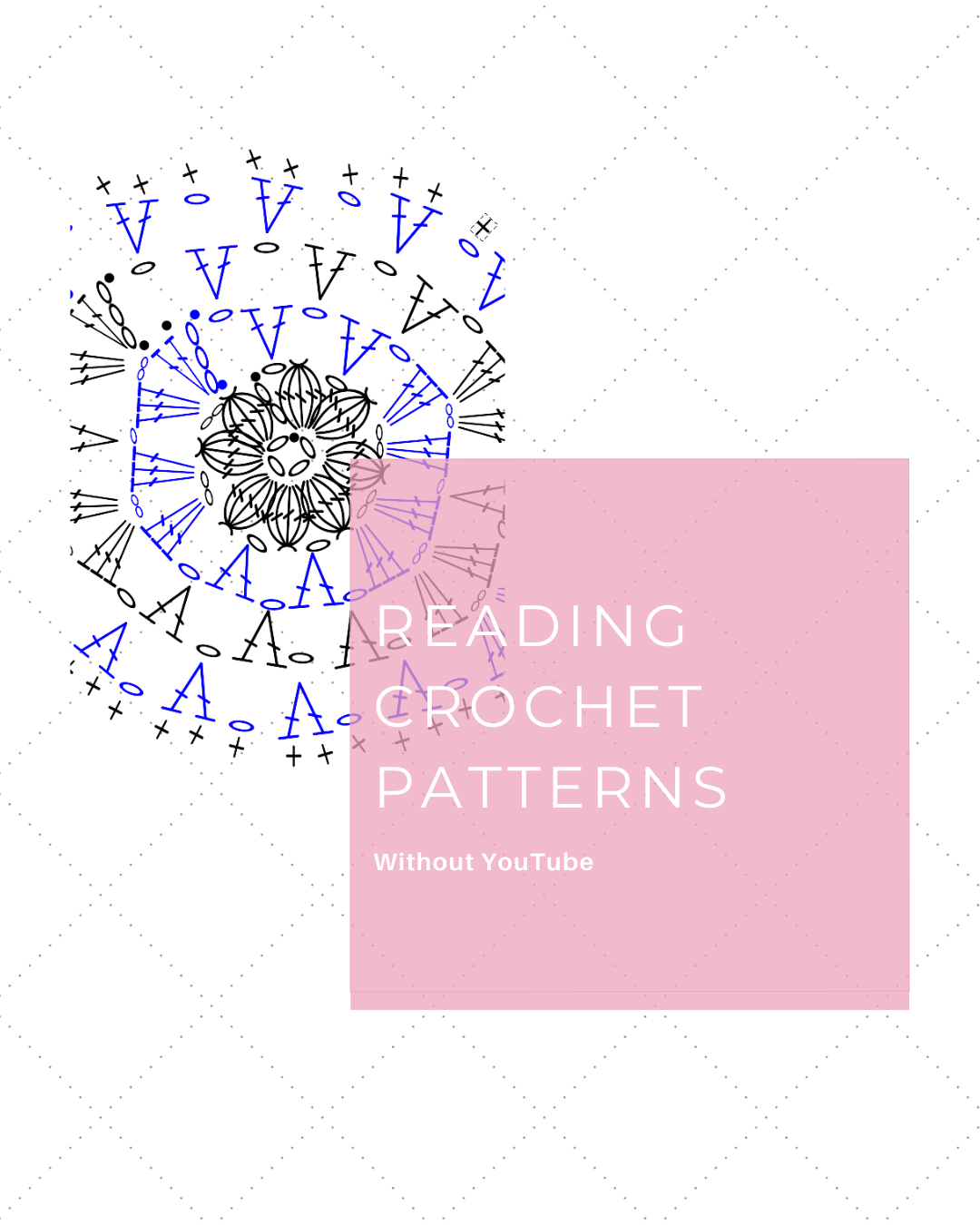
Let’s face it, YouTube is great for providing you with projects to crochet and great tutorials for stitches, but if you want to learn to read patterns it is going to leave you feeling stuck. Reading crochet patterns is something that is going to take time to become skilled at and it is going to take lots of practice. But there are some foundational things that you can learn that will help you feel less confused, and that is what I am here to help you with.
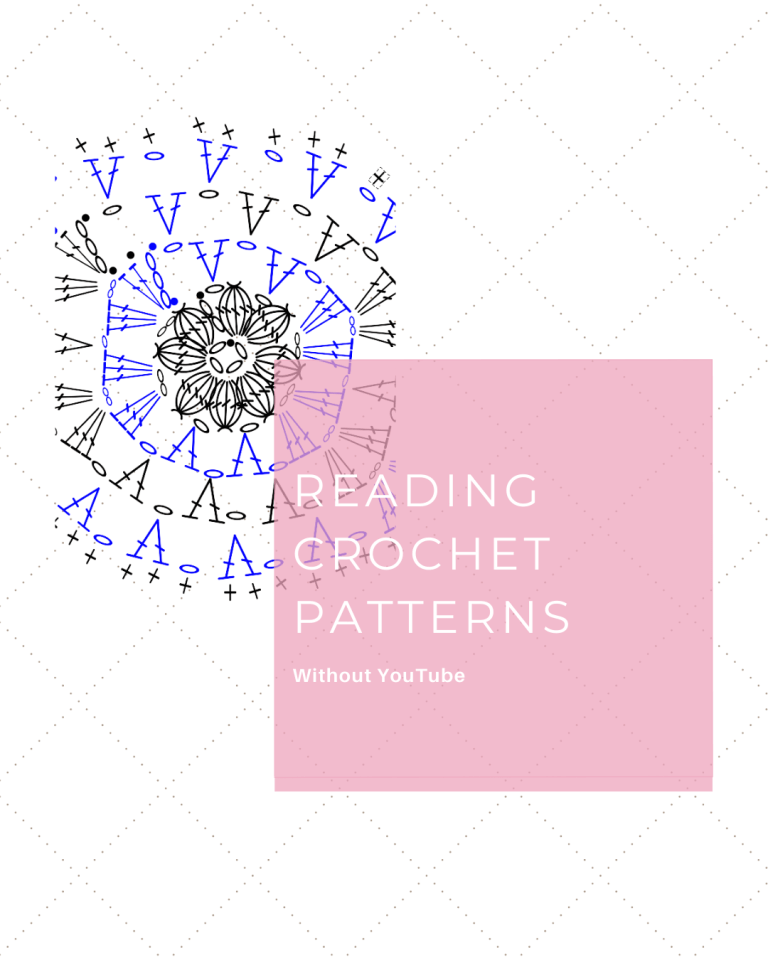
Our instinct when it comes to learning is to just jump in and start trying things out. That can work for some, but if you don’t have the right foundations you’re going to be left frustrated and feeling like you’ll never be able to learn. I don’t want that for you. You don’t expect a baby to start walking the second you start teaching it. You can’t expect the same from yourself when learning something new either.
The first step to take is to learn the stitches. You need to learn the names and how to make them and ideally you’ll want to learn both the US and UK terms. You will need to also learn the abbreviations and if you want to read charts you’ll also want to learn the symbols. If you aren’t comfortable with each of these then when you start to read a pattern you’ll spend so much time remembering or figuring out the terms that applying them will just be too much. Below are your basic stitches in both US and UK terms. I created these bubbles as a way to help anyone that I teach recognise the stitch names, abbreviations and symbols more easily.
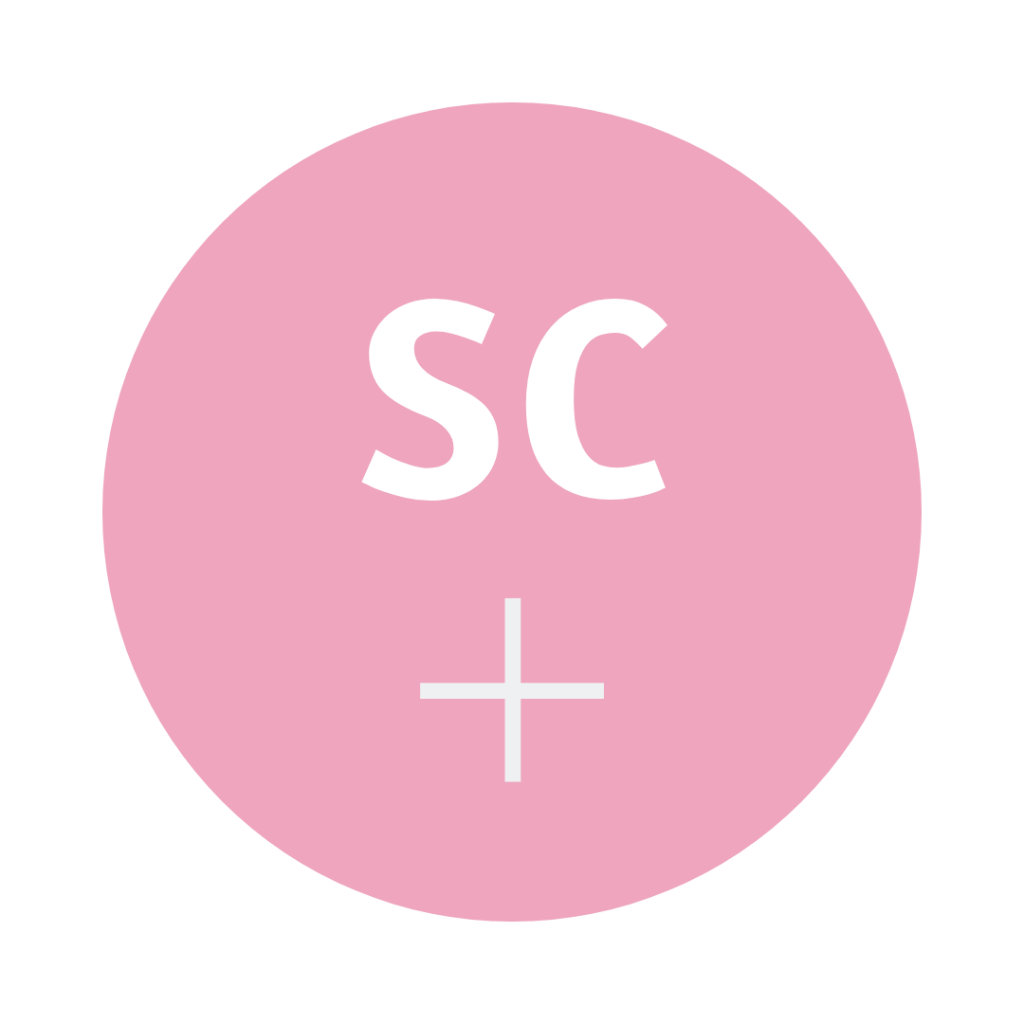

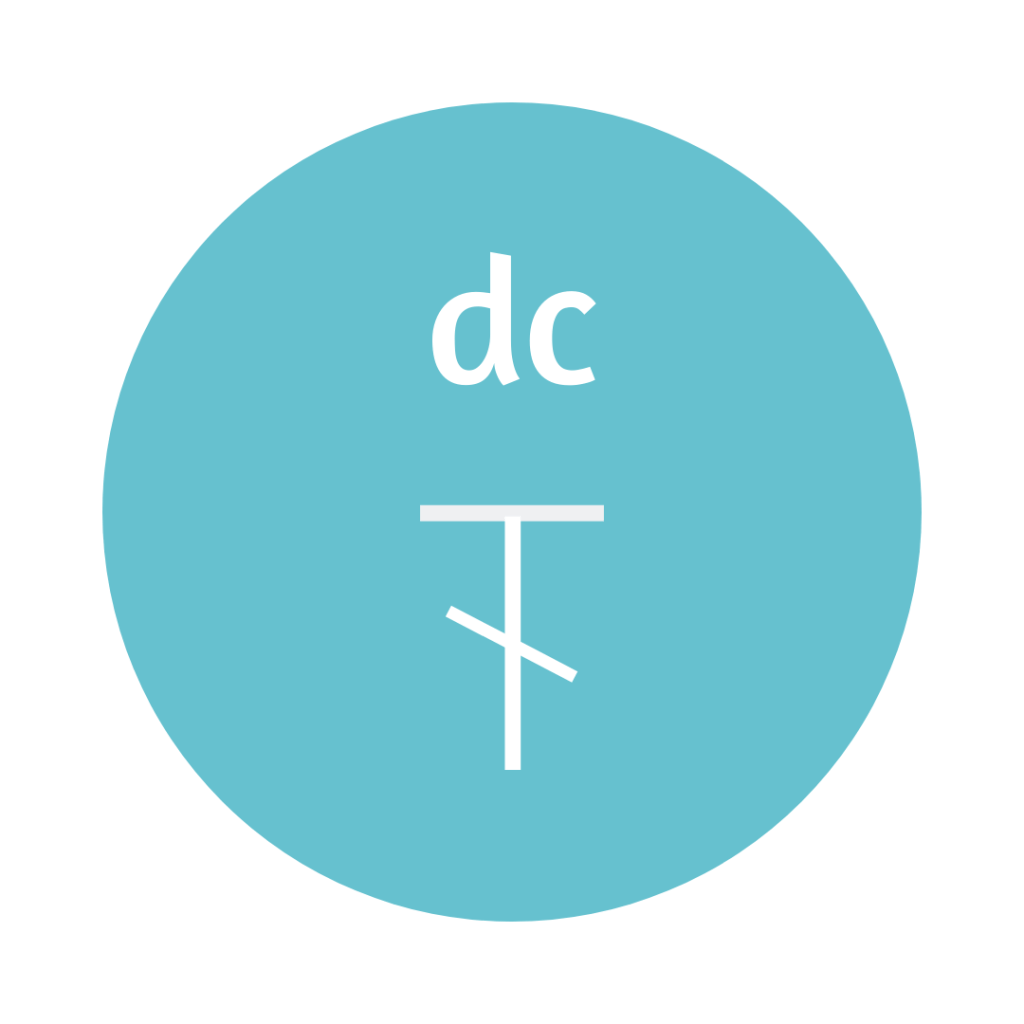
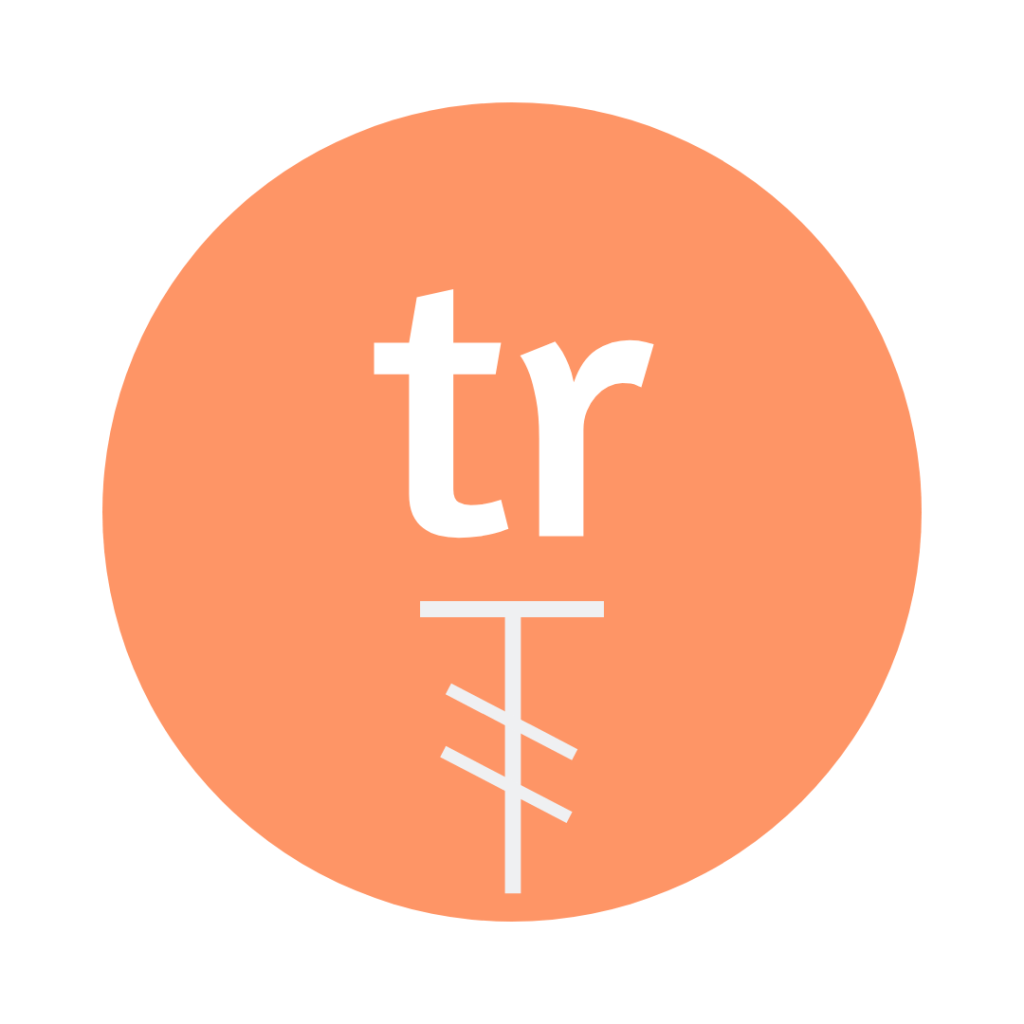
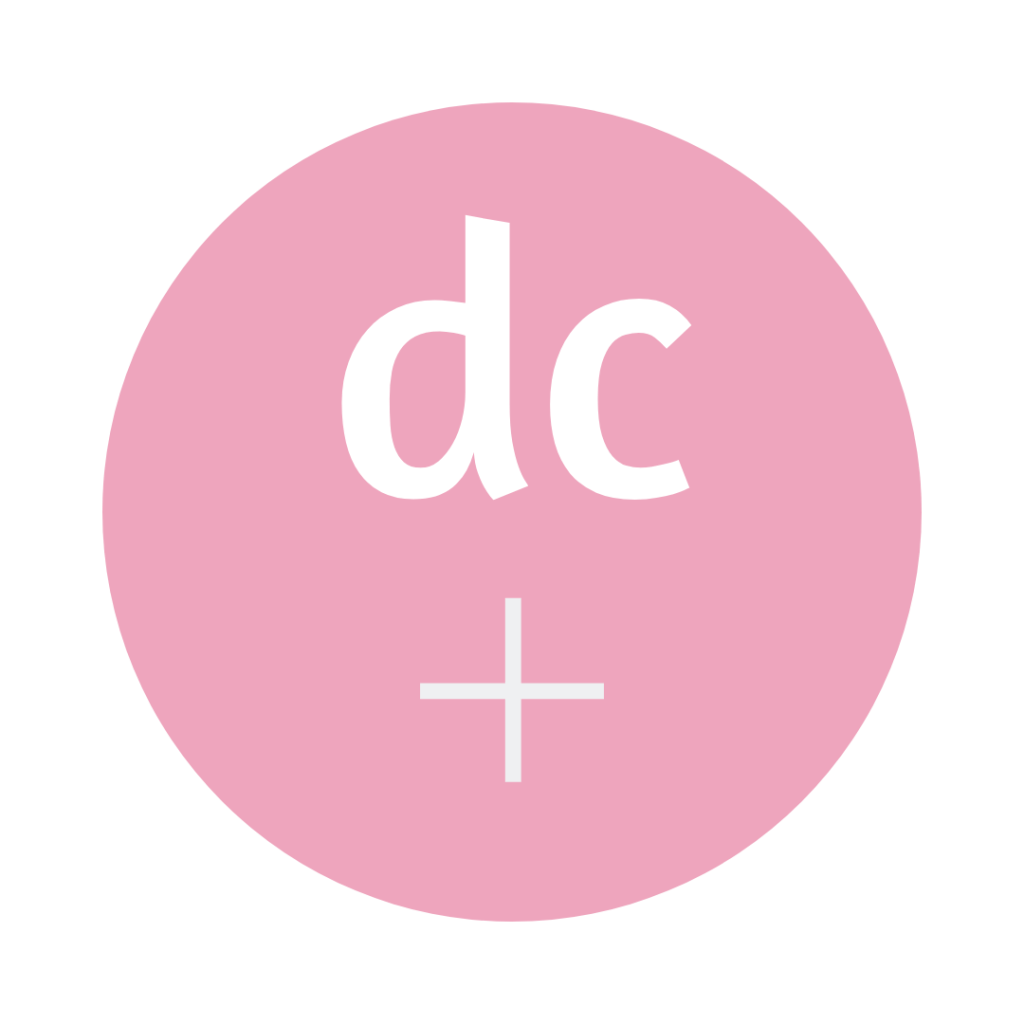

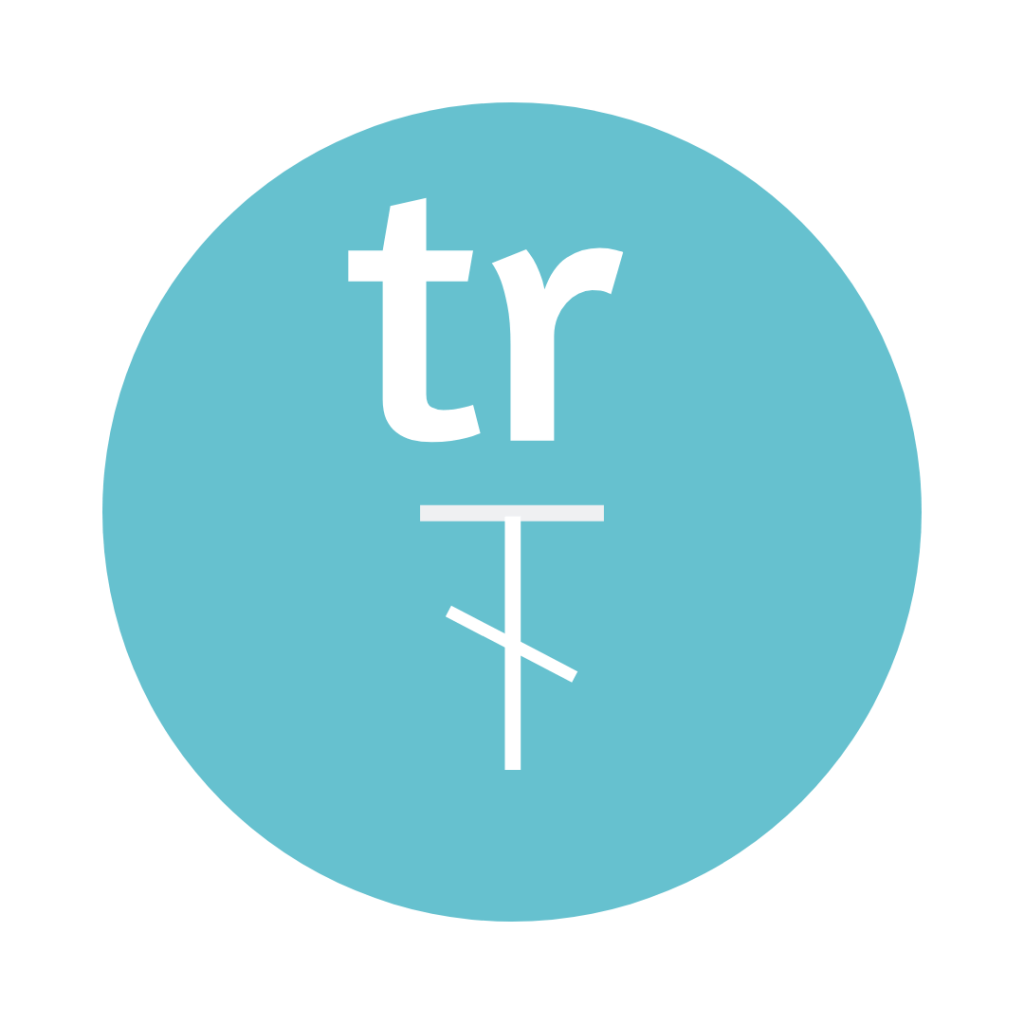
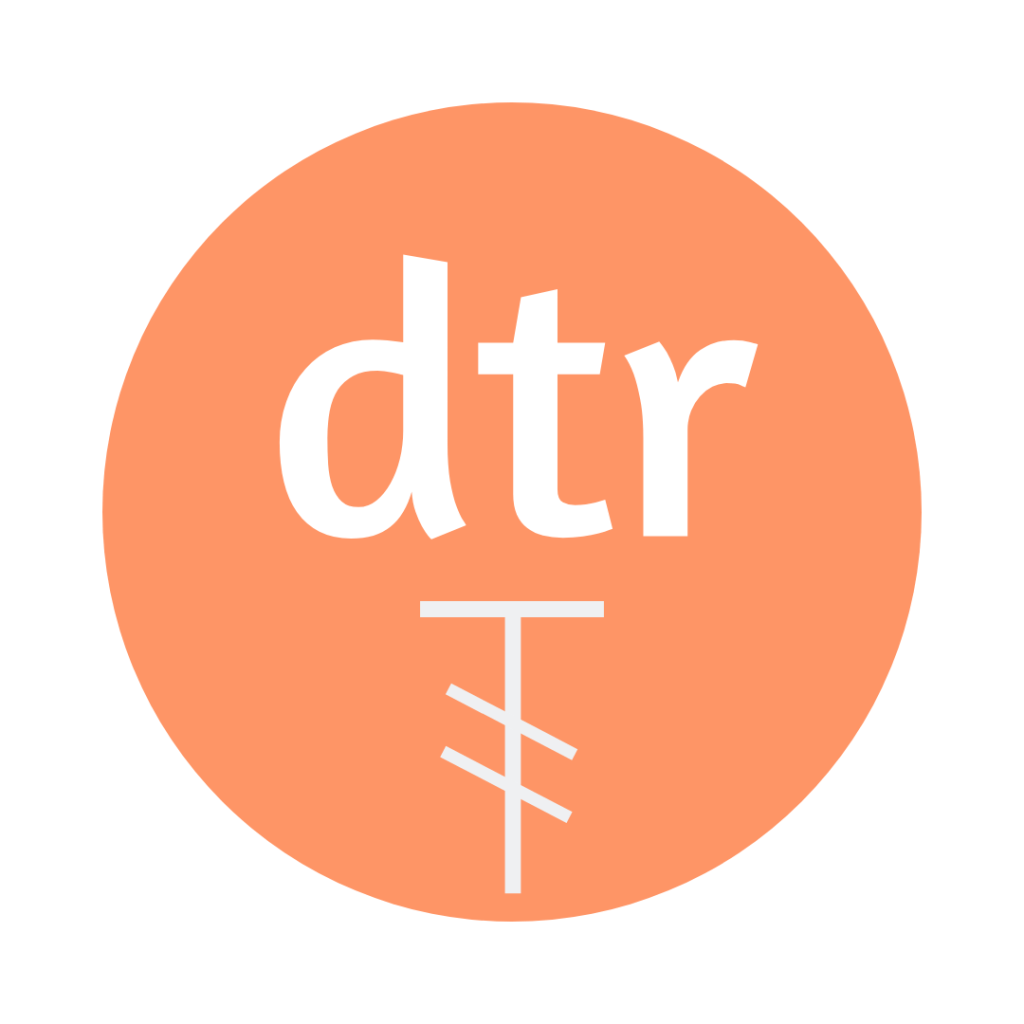

I would encourage you to commit these to memory as it will help you to interpret both a written pattern and a chart more easily. These are also available with the stitch instructions inside my free guide to reading crochet patterns.
When you start to learn to read patterns I also encourage you to try making something that has a video and/or pictures to go with it, or find a written pattern for something that you already know how to make. Anytime you’re unsure of what an instruction means, if you have a video or pictures, or even better the designer, to refer to it can help either confirm or correct what you were thinking. The more you practice the more you will learn.
It also helps to know the rules for working in rows and rounds. When you know the rules it gives you another foundation to work with to interpretting the written instructions.
Keep the projects that you’re practicing with small. A small project will give you feedback more quickly to whether you’re getting the pattern right or not. It will also give you a bigger sense of accomplishment sooner when you finish it.
One of the trickiest parts when reading a written pattern is interpretting the * and ( and [ that are used to break them up. I will almost always re-write someone elses pattern when they use these symbols as they make it more confusing. My preference when I write a pattern is to put each step onto a separate line and use bullet points and the use of bold and italic formatting to help provide instructions. If you’re reading a pattern you might find it helpful to write it out too. The symbols are used to show which instructions are the repeats and which stitches are worked together. Those methods were used to save space and before technology had different font styles to help with formatting.
You will also many written patterns will include assumed knowledge, which is extremely unhelpful when someone is learning. Most will provide a section with instructions and a legend for terminology but it is not uncommon to find them missing.
When you’re reading a chart the chart is designed to represent the finished piece. When a pattern is worked in the round you will read it from the start and in the direction you’re making it if you’re right handed, but in reverse if you’re left handed. If you’re reading a chart that is in the rows you’re going to have to read from right to left for one row and then left to right for the next row. As a general guide the number that you see on the chart is there the round or row begins, so read from that number. When reading a chart that is in rows it is not uncommom to see a section marked out which will represent the stitches that are repeated.
If you’re a visual learner you might find it easier to learn to read patterns from a chart instead of written instructions.
If you really want to learn to read patterns and don’t feel confident trying on your own then I have your back. There is a link to my free guide above. Below is a link to my Hooked on Crochet Club. The Kickstart level is perfect for those that want full support in learning to read patterns with small projects.
I hope this provides some extra help with reading patterns. It is something that is going to require patience with yourself, but is not impossible with the right guidance.
Seona x
 Honouring M.E. Crochet Blog
What are the bold dots in the pattern, near where the stitches are indicated?
LikeLike
In a chart? These are slip stitches. One dot is one slip stitch.
LikeLike